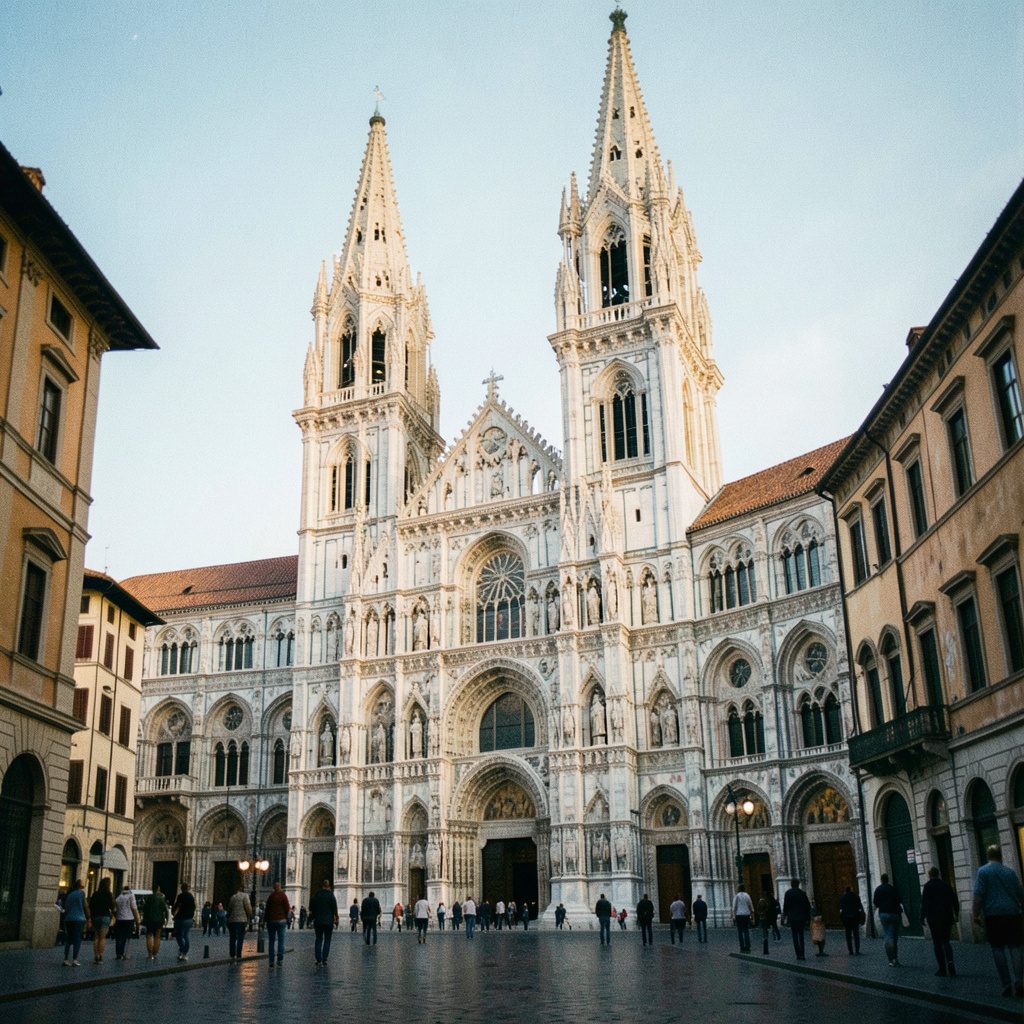
Invited Speakers
The symposium brought together renowned scientists from Argentina, Belgium, the United States, Canada, and the United Kingdom, representing the forefront of STEC and VTEC research across multiple disciplines.
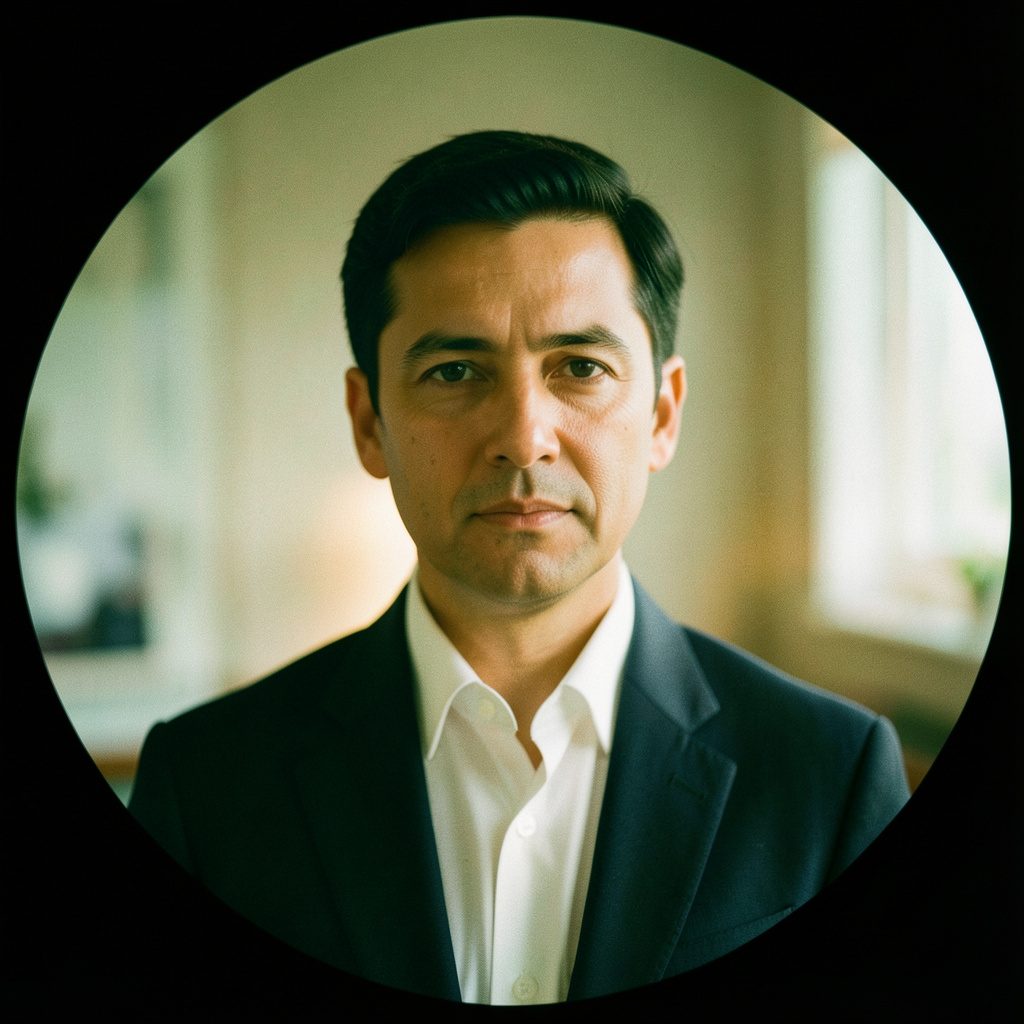
Dr Maria Marta Amaral
Institute of Physiology and Biophysics "Bernardo Houssay", Buenos Aires
Argentina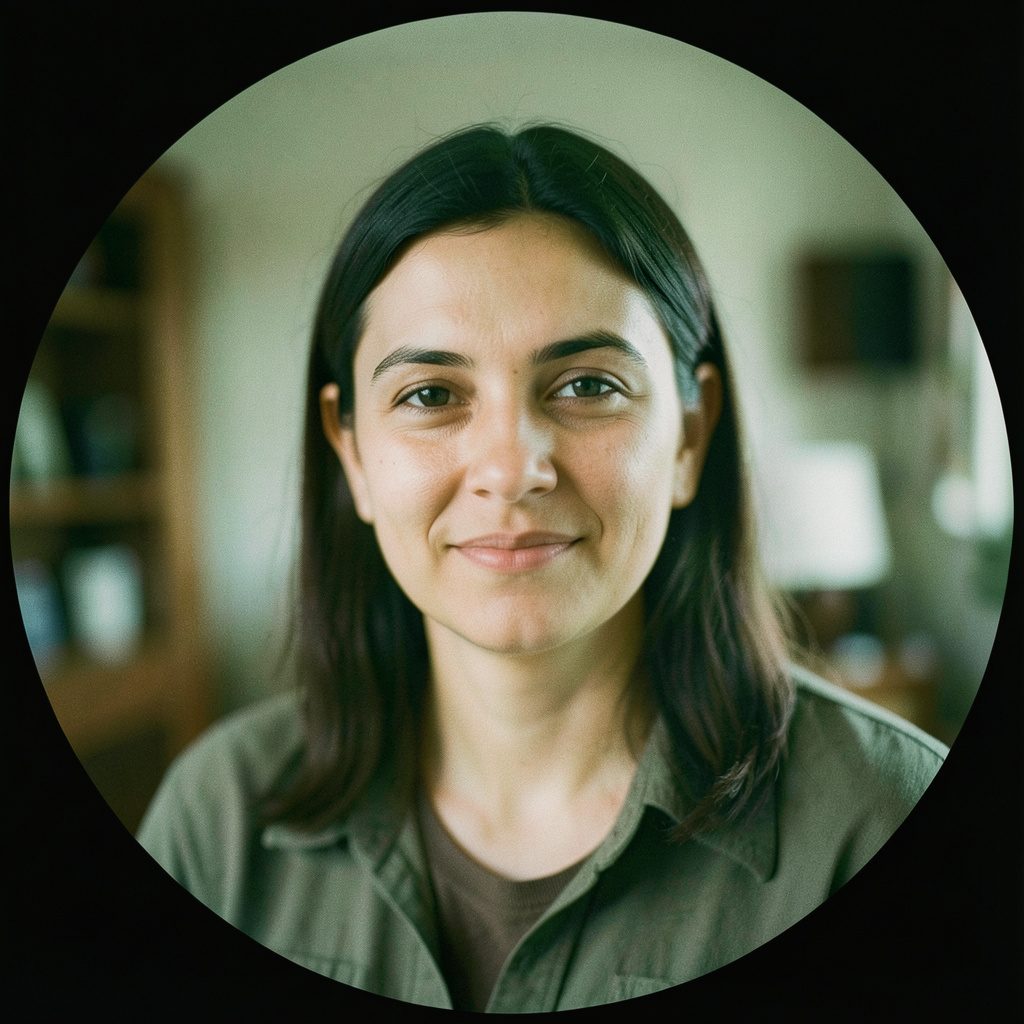
Prof. Eric Cox
Lab of Immunology, Faculty of Veterinary Medicine, Ghent University
Belgium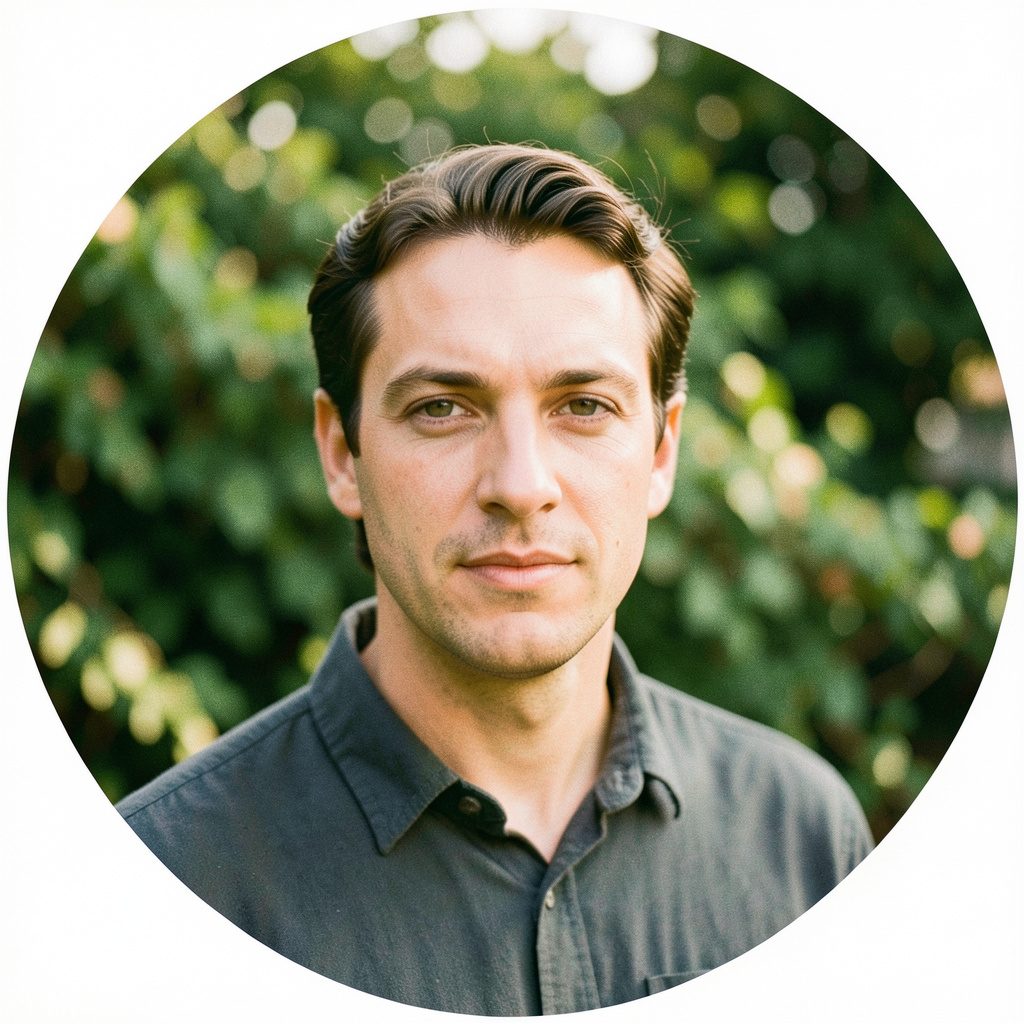
Prof. Mark Eppinger
Department of Biology, South Texas Center for Emerging Infectious Diseases, University of Texas
USA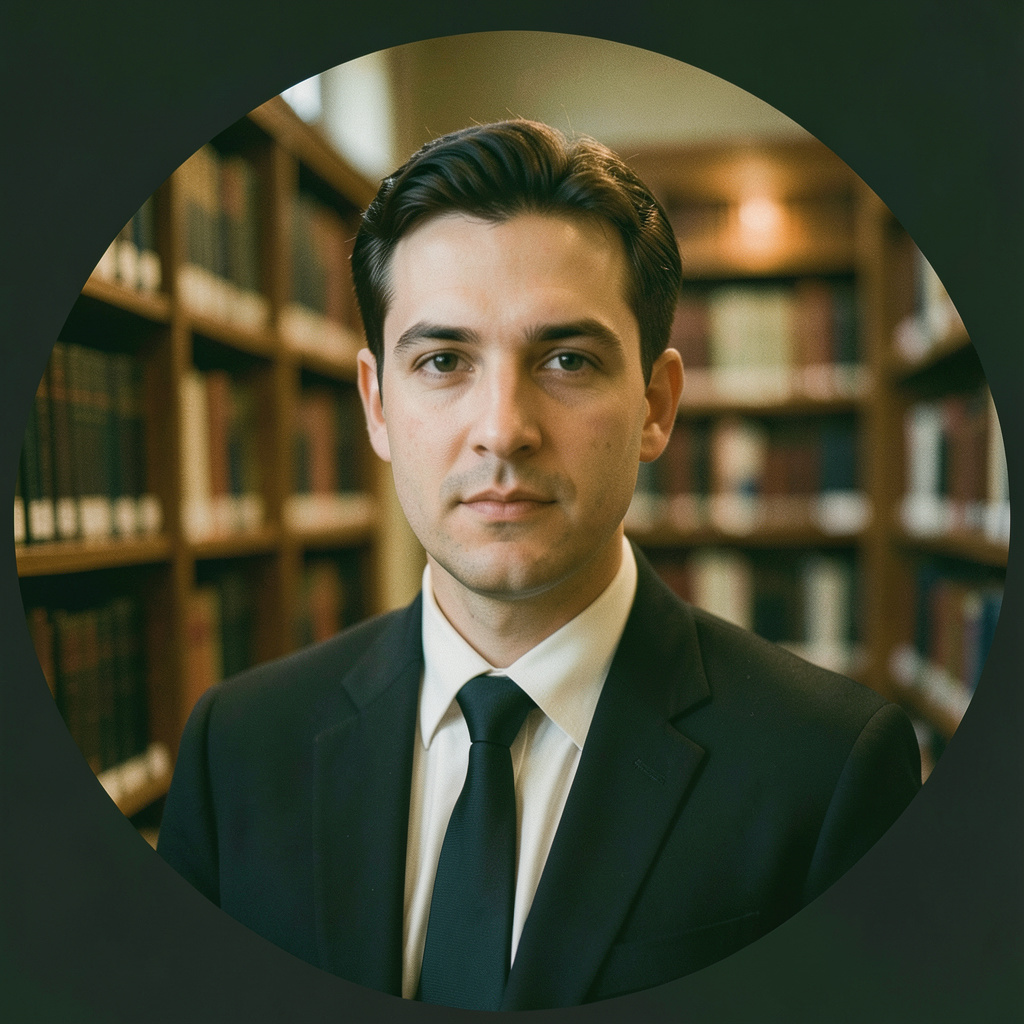
Prof. Stephen Freedman
University of Calgary, Alberta Children's Hospital
Canada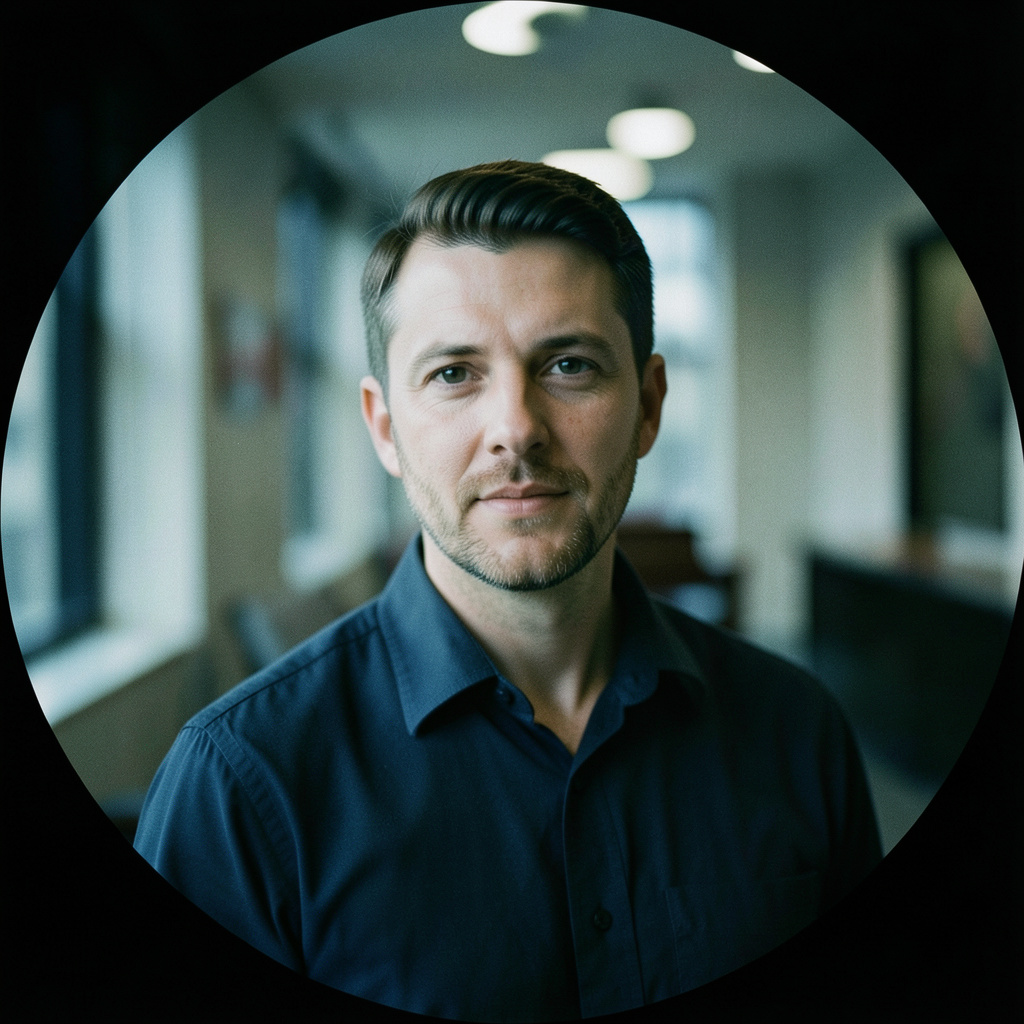
Prof. David Gally
The Roslin Institute, University of Edinburgh
United KingdomExplore the Scientific Program
Learn more about the topics these speakers addressed, from STEC epidemiology and genomics to pathogenesis and treatment of infections.
View ProgramThe invited speakers programme at the 10th International Symposium on VTEC reflected the truly international character of the event, drawing leading researchers from across the globe. Scientists from Argentina, Belgium, the United States, Canada, and the United Kingdom gathered in Florence to share their latest findings on Shiga toxin-producing Escherichia coli and verotoxigenic E. coli. Their presentations spanned fundamental microbiology, host-pathogen interactions, epidemiology, and clinical perspectives, offering attendees a comprehensive view of the field's current state. For many participants, the symposium represented a valuable opportunity to see how different research traditions and institutional approaches converge on shared scientific questions, enriching the collective understanding of VTEC biology and its implications for public health.
Beyond the formal lecture sessions, the invited speakers contributed significantly to the vibrant exchange of ideas that characterised the triennial gathering. Their presence fostered meaningful networking among established investigators and emerging scientists alike, helping to reinforce existing collaborations and spark new ones. The diverse expertise represented on the programme encouraged cross-disciplinary dialogue, connecting laboratory research with field investigations and clinical practice. Attendees benefited from the chance to engage directly with these distinguished guests during discussions and breaks, gaining insights that extended well beyond the published abstracts. This atmosphere of open scientific exchange is one of the hallmarks of the VTEC community, and the invited speakers played a central role in sustaining that spirit throughout the congress.
The choice of Florence as the host city added a distinctive dimension to the scientific programme, pairing world-class research presentations with the unique cultural setting of one of Italy's most beautiful cities. Participants found themselves surrounded by art, history, and culinary excellence, which complemented the intense scientific discussions of the day. The organising committee designed the symposium to balance rigorous academic sessions with opportunities for informal conversation and social engagement, recognising that some of the most productive scientific relationships begin outside the lecture hall. For many delegates, the combination of outstanding speakers, a welcoming atmosphere, and the memorable backdrop of Florence made this edition of the symposium a particularly rewarding experience, both professionally and personally.